
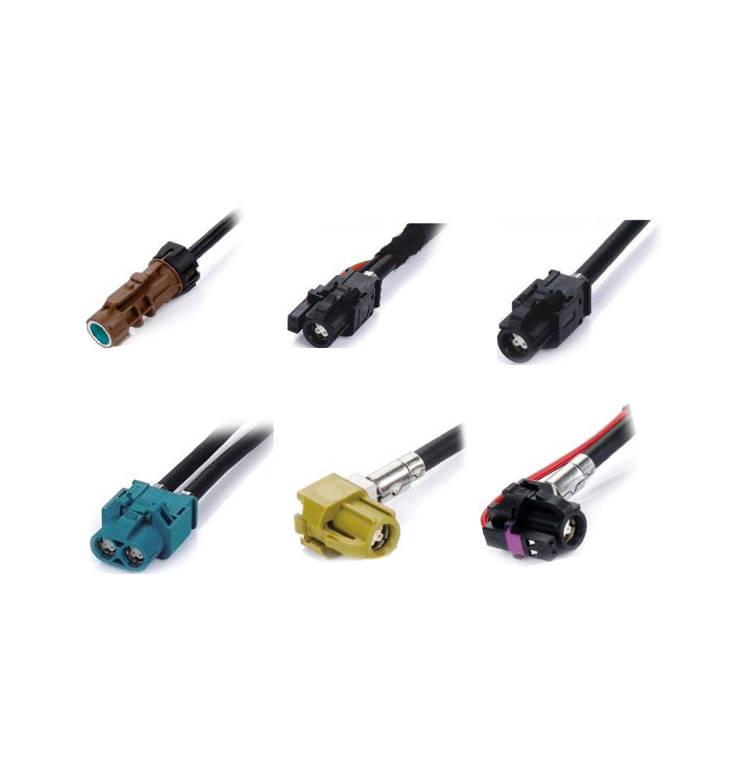
HSD Wire Harness Material Selection: A Guide to Ensuring Quality
Wire harnesses are critical components in many electronic devices and machinery. They connect different components and help ensure proper functioning. HSD wire harnesses are a type of wire harness used in the automotive industry, medical devices, and industrial machinery. When it comes to HSD wire harness processing, the quality of the harness material directly affects the quality of the wire harness. Cheaper wire harness products may use inferior harness materials, which can impact the performance and lifespan of the wire harness. Therefore, it’s important to choose the right materials to ensure quality and durability.
The Components of an HSD Wire Harness
An HSD wire harness consists of several components, including wires, insulation, connectors, and binding materials. Understanding these components can help you distinguish between high-quality and low-quality wire harnesses.
1. Connectors
Connectors are an essential part of an HSD wire harness, and their quality can significantly impact the performance of the harness. The most commonly used material for connectors is copper, which can be either brass or bronze. Depending on the specific requirements, different plating materials can be used to enhance the performance of the connectors.
2. Insulation
The insulation material used in an HSD wire harness should be chosen carefully to ensure proper insulation and protection. Some of the commonly used insulation materials include PA6, PA66, ABS, PBT, and PP. These materials can be enhanced with additives to improve flame resistance and strength, such as by adding glass fiber reinforcement.
3. Wires
The wires used in an HSD wire harness can be made from various materials, such as copper or aluminum. Copper wires are more commonly used due to their high conductivity, low resistance, and good mechanical properties. The diameter of the wire should also be considered, as this can impact the current-carrying capacity of the wire.
4. Binding Materials
Binding materials are used to hold the wires and connectors together and protect them from environmental factors such as abrasion, corrosion, and electromagnetic interference. Some commonly used binding materials include tape, corrugated tubes, and PVC tubes.
Factors to Consider When Selecting HSD Wire Harness Materials
Several factors should be considered when selecting materials for an HSD wire harness, including:
1. Application Requirements
The first factor to consider is the application requirements of the wire harness. Different applications have different requirements, such as temperature range, durability, and resistance to environmental factors. The material selection should be based on the specific requirements of the application.
2. Electrical Requirements
The electrical requirements of the wire harness, such as the current-carrying capacity and voltage rating, should also be considered when selecting materials. The choice of wire diameter, insulation material, and connector material should be made based on the electrical requirements of the application.
3. Cost
Cost is another factor that should be considered when selecting materials for an HSD wire harness. Cheaper materials may save costs in the short term, but they may not provide the desired performance and durability in the long run.
4. Regulatory Requirements
Regulatory requirements, such as safety standards and environmental regulations, should also be considered when selecting materials for an HSD wire harness. Compliance with these regulations is important to ensure the safety and reliability of the wire harness.
Conclusion
Selecting the right materials for an HSD wire harness is critical to ensure quality, durability, and safety. Understanding the components of an HSD wire harness and the factors to consider when selecting materials can help you make informed decisions and choose the best materials for your application.


Leave a Reply
Want to join the discussion?Feel free to contribute!