
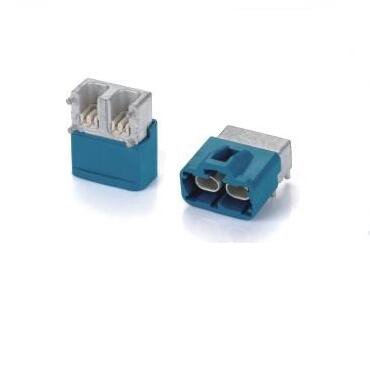
Advantages of HMTD Connectors in the Industrial Field
As electronic engineering technology professionals, we often come across HMTD connectors as components that serve the purpose of connecting circuits, bridging the gap between interrupted or isolated circuits, and allowing the flow of electrical current. With the arrival of the intelligent industrial era, HMTD connectors have been given an opportunity to shine, particularly in the field of industrial automation, robotics, and motor control. Focusing on the connector industry, HMTD connectors are leading the development direction of the connector market.
Introduction
HMTD connectors are an essential component of industrial applications. They allow for connections between various devices, such as sensors, switches, valves, and motors, to be established with ease. The rise of the intelligent industrial era has led to an increase in the use of HMTD connectors, particularly in the field of industrial automation, robotics, and motor control. In this article, we will explore the advantages of HMTD connectors in the industrial field and their role in the development of the connector market.
Advantages of HMTD Connectors in the Industrial Field
1. Providing Solutions for Distributed Control Systems
One of the core advantages of HMTD connectors is their ability to provide solutions for distributed control systems. A distributed control system typically consists of a human-machine interface for control and system monitoring, communication networks for connection, and programmable controllers connected to various units, such as actuators, motors, sensors, switches, and valves, through a fieldbus. HMTD connectors are essential in this setup, as they provide a reliable connection between various devices, ensuring the smooth operation of the system.
2. Improving Efficiency in Industrial Applications
HMTD connectors play a crucial role in improving efficiency in industrial applications. By providing a reliable and secure connection, HMTD connectors reduce the downtime caused by faulty connections or disconnections, resulting in increased productivity and reduced costs.
3. Ensuring Safety in Industrial Applications
HMTD connectors are designed to meet the safety requirements of industrial applications. They are built to withstand harsh environments, such as extreme temperatures, dust, and moisture, ensuring the safety of the system and the people operating it.
4. Enhancing System Flexibility and Scalability
HMTD connectors are known for their flexibility and scalability. They can be easily integrated into existing systems and can be customized to meet specific requirements. This flexibility and scalability allow for easy expansion and modification of the system without having to replace the entire system.
5. Improving Signal Quality
HMTD connectors are designed to improve signal quality, ensuring reliable communication between devices. They reduce signal noise and interference, resulting in a stable and secure connection.
6. Easy Installation and Maintenance
HMTD connectors are designed for easy installation and maintenance. They can be easily connected and disconnected, making them ideal for applications that require frequent changes or modifications.
Conclusion
In conclusion, HMTD connectors play a crucial role in the industrial field. They provide solutions for distributed control systems, improve efficiency, ensure safety, enhance system flexibility and scalability, improve signal quality, and are easy to install and maintain. With the rise of the intelligent industrial era, the demand for HMTD connectors is expected to increase, leading to their continued development and progress.


Leave a Reply
Want to join the discussion?Feel free to contribute!