
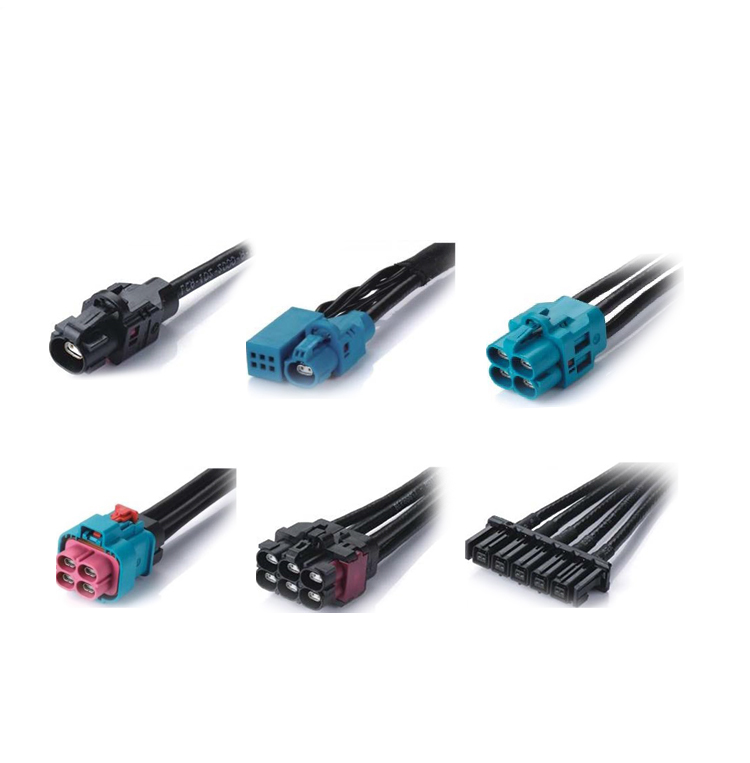
Discover the 3 Types of HMTD Connector Connections: Board-to-Board, Wire-to-Board, and Wire-to-Wire
When it comes to connecting electronic components, the right connector can make all the difference. One connector that has gained popularity in recent years is the HMTD connector. This connector is known for its durability, reliability, and high-speed data transfer capabilities. However, before using it, it’s essential to understand the different types of HMTD connector connections available. In this article, we’ll explore the three main types of HMTD connector connections, including their differences and unique features.
Types of HMTD Connector Connections
HMTD connector can be connected in three different ways: Wire-to-Board Connection, Board-to-Board Connection, and Wire-to-Wire Connection.
Wire-to-Board Connection
Wire-to-board connections are used when wires need to be connected to a printed circuit board (PCB). The HMTD connector used for this type of connection has one end designed to receive wires, while the other end is designed to be mounted on a PCB.
Characteristics of Wire-to-Board Connection
The key features of wire-to-board connection include:
- High-Speed Data Transfer Capability
- High Insertion and Withdrawal Force
- Low Contact Resistance
- Reliable Connection
Applications of Wire-to-Board Connection
Wire-to-board connections are used in a wide range of applications, including:
- Consumer Electronics
- Automotive
- Industrial Control Systems
- Medical Equipment
Board-to-Board Connection
Board-to-board connections are used when multiple PCBs need to be connected. The HMTD connector used for this type of connection has one end designed to be mounted on one PCB and the other end designed to be mounted on another PCB. Board-to-board connections can be further divided into single-piece and dual-piece HMTD connectors.
Single-Piece HMTD Connector
Single-piece HMTD connectors are used when only a few terminals are needed. These connectors are usually placed on the edge of the PCB and are also known as “card-edge” connectors. However, as the number of terminals increases, the insertion and withdrawal force required also increase. This makes single-piece HMTD connectors less suitable for high-density applications.
Dual-Piece HMTD Connector
Dual-piece HMTD connectors are used when a large number of terminals need to be connected. These connectors have two parts: a male connector and a female connector. The male connector is mounted on one PCB, while the female connector is mounted on another PCB. The two parts are designed to fit together precisely, ensuring a secure and reliable connection.
Advantages of Dual-Piece HMTD Connector
The advantages of dual-piece HMTD connector include:
- High-Density Packaging
- Low Insertion and Withdrawal Force
- High-Speed Data Transfer Capability
- Reliable Connection
Wire-to-Wire Connection
Wire-to-wire connections are used when two wires need to be connected permanently. The HMTD connector used for this type of connection has two ends, each designed to receive one wire.
Features of Wire-to-Wire Connection
The key features of wire-to-wire connection include:
- Easy to Install: The HMTD connector used for wire-to-wire connections is easy to install and does not require any special tools or training. This makes it ideal for use in a variety of applications.
- Durable: Wire-to-wire connections are designed to be durable and withstand harsh environments. The connectors and housings are made from high-quality materials that can resist corrosion, temperature changes, and other types of damage.
- Secure: The connector housing secures the wires in place, preventing them from coming loose or disconnecting. This ensures a secure and reliable connection that can last for years.
- Versatile: Wire-to-wire connections can be used in a variety of applications, including automotive, aerospace, and consumer electronics. They are compatible with a wide range of wire sizes and types, making them a versatile option for many different projects.
- Cost-effective: Wire-to-wire connections are an affordable option for connecting wires permanently. The connectors and housings are available at a reasonable price, making them accessible for many different types of projects.
Conclusion
In summary, there are three types of HMTD connector connections: wire-to-wire, board-to-board, and wire-to-board. Each type of connection has its own unique features and benefits. Wire-to-wire connections are ideal for applications where two wires need to be connected permanently, and they are easy to install, durable, secure, versatile, and cost-effective.
FAQs
- Can HMTD connectors be used for outdoor applications? Yes, HMTD connectors are designed to be durable and can withstand a variety of harsh environments, including outdoor applications.
- Can wire-to-wire connections be used for high-voltage applications? Yes, wire-to-wire connections can be used for high-voltage applications. However, it is important to choose a connector and housing that are rated for the voltage and current requirements of the application.
- Are there any special tools required to install HMTD connectors? No, HMTD connectors can be installed using basic tools such as pliers and wire cutters. No special tools or training are required.
- Can HMTD connectors be used with different wire types and sizes? Yes, HMTD connectors are compatible with a wide range of wire sizes and types, including solid and stranded wires.
- What is the advantage of using a double-sided HMTD connector for board-to-board connections? Double-sided HMTD connectors provide a more secure and reliable connection for board-to-board connections, as they have two sides to connect to the boards rather than just one.


Leave a Reply
Want to join the discussion?Feel free to contribute!